Get in touch
Sales Enquiries
+977 9801037556 (Nepal) +44 20 3336 9262 (UK)Career or Job Applications
hello@omegaincorporations.com


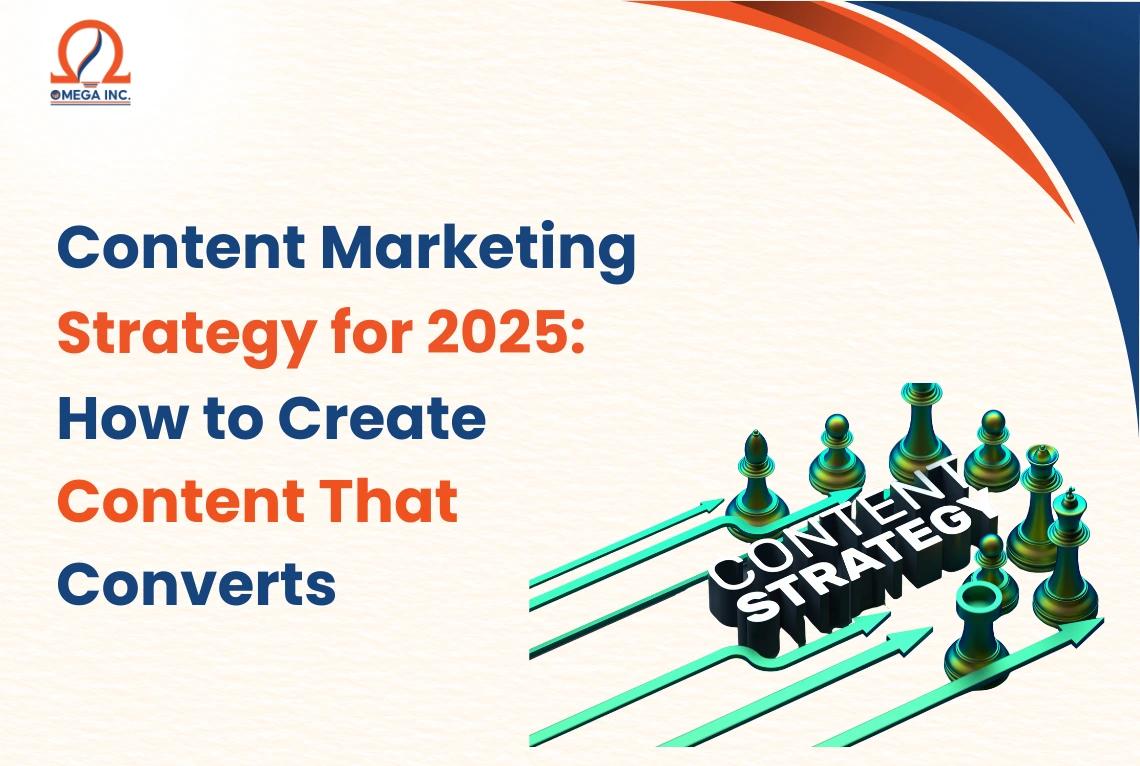
Content Marketing Strategy for 2026: How to Create Content That Converts
Content marketing in 2026 is no longer just about creating blogs or social posts; it’s about building meaningful experiences that attract, engage, and convert. With AI-driven personalisation, shifting search algorithms, and changing audience behaviour, businesses that rely on outdated strategies risk being invisible online.
In this guide, we’ll talk about how to craft a content marketing strategy that works in 2026, blending creativity, data, and smart automation to turn browsers into loyal customers.
If you’re new to the world of online marketing, start with our guide: What Is Digital Marketing? to understand how content fits into the broader digital ecosystem.
Why Content Marketing Still Matters in 2026
The digital world may be more competitive than ever, but content remains the foundation of all marketing. Whether it’s SEO, social media, email, or paid campaigns, everything depends on relevant, high-value content.
Recent studies show that over 70% of B2B and service-based businesses get more qualified leads. They achieve this through consistent content marketing, not just paid advertising. Why? Because content builds trust and authority before any sales pitch begins.
At Omega Inc., we believe content is the main part of digital marketing. It attracts people at the awareness stage. We provide value to nurture them and turn them into long-term clients.
Key Trends Shaping Content Marketing in 2026
Here are the five major trends redefining content strategies this year:
AI-Powered Personalisation
AI tools now help marketers understand audience behaviour, interests, and intent in real time. Personalised blog recommendations, adaptive landing pages, and predictive content scheduling are making engagement smarter and more human.
Video and Interactive Content
Short-form video (especially on LinkedIn, Instagram, and YouTube Shorts) continues to dominate. Interactive tools like calculators, quizzes, and polls help capture attention and collect valuable user data.
Voice and Conversational Search
With the rise of smart devices and voice assistants, optimising for conversational keywords (“how do I,” “what’s the best way to…”) is key to staying visible.
Sustainability & Authenticity
Audiences prefer brands that stand for something. Authentic storytelling and transparent communication outperform polished but impersonal marketing.
AI + Human Collaboration
AI-generated drafts can save time, but human insight ensures emotional connection and originality. The winning formula in 2025? Human creativity + AI precision.
Steps to Build a High-Converting Content Marketing Strategy
Step 1: Define Clear Goals
Ask: What do you want to achieve — awareness, lead generation, or conversion?
Set measurable KPIs like website traffic, conversion rate, engagement time, or email sign-ups.
Step 2: Understand Your Audience
Create data-backed buyer personas. Use analytics tools, surveys, and CRM insights to understand pain points, motivations, and search intent.
Tip: Go beyond demographics — focus on behavior and challenges.
Step 3: Audit Your Existing Content
Identify what’s performing well and pinpoint the areas where gaps exist. Refresh older blogs with 2025 updates, internal links, and new visuals.
Step 4: Choose Your Core Channels
For service-based businesses, top-performing channels in 2025 are:
Blog articles (SEO + thought leadership)
LinkedIn and Instagram (social reach
Email newsletters (lead nurturing)
Video marketing (engagement + education)
Read Our Blog on: How to Build a Digital Marketing Funnel to understand how blogs fit into your lead journey
Step 5: Develop a Content Calendar
Plan quarterly around themes like awareness, education, and conversion.
Step 6: Create Content That Converts
Focus on three conversion principles:
Value first — solve problems, don’t just promote.
Visual storytelling — use graphics, infographics, and short videos.
Clear CTAs — tell readers what to do next (download, book, contact, etc.).
For more ways to increase engagement and conversions through better user experience, check out our blog on How to Improve Website Conversion Rate with UX Design.
Step 7: Optimise and Distribute
Every piece should be optimised for SEO (keywords, internal links, metadata). Then distribute through email, LinkedIn, and niche communities for consistent visibility.
Step 8: Measure and Refine
Use Google Analytics, HubSpot, or SEMrush to track engagement and ROI. Adjust strategy every quarter based on what’s converting best.
If you’re exploring ways to drive traffic more efficiently, read SEO vs PPC in 2025: Which Works Better for Service-Based Businesses?
Tools to Power Your 2026 Content Strategy
Purpose | Tool Examples |
Keyword and Topic Research | Google Trends, Semrush, Ahrefs |
Content Planning | Notion, Trello, Clickup |
AI Writing and Optimisation | ChatGPT, Perplexity |
Design and Video | Canva, Capcut |
Analytics and Performance | Google Analytics and Google Search Console |
Common Mistakes to Avoid
Some of the common mistakes that need to be avoided:
Publishing without a clear content goal
Ignoring keyword intent and SEO structure
Over-relying on AI content without human editing
Failing to repurpose content across platforms
Neglecting internal linking (hurts authority and user flow)
Conclusion
In 2026, the best content marketers will use data, storytelling, and automation. They will create experiences that connect with their audience. The goal is no longer just to publish, it’s to connect, educate, and convert.
At Omega Inc., we help service-based businesses create content marketing systems. We cover strategy, SEO, funnel optimisation, and analytics.
Need a custom content strategy for your business?
Contact Omega Inc. today and start turning your content into measurable growth.